
The Flash-to-Bang (F-B) Method requires no dedicated detector: only counting the time in seconds from seeing lightning’s flash, to seeing the associated thunder or bang. For each five seconds, lightning is one mile away. Thus, a F-B of 10 = 2 miles; 15 = 3 miles; 20 = 4 miles; etc.
Some lightning sensors have problems with electrical
interference this comes from electrical appliances that
produce noise. This sensor may produce false counts
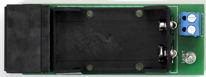
Hobby boards 1 wire Lightning senor only records lightning counts
The number of strikes is increasing, as the storm gets
more intense, or that its getting closer , and more in range
22/02/2008
The lightning sensor has been updated with a new circuit from hobby boards this will cut down the amount of interference.......
Weather data is based on amateur readings
and should not be interpreted as being totally accurate.
This site is just for people with a general interest in weather

Welcome to Weather-Above
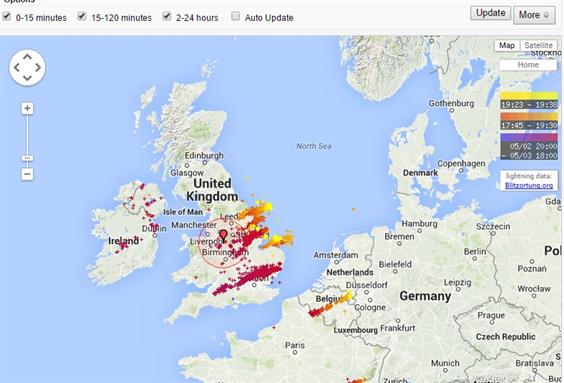
Cheddleton weather station in contributing data to "Blitzortung.org" this is a community of station operators
who transmit their data to the central server, Please see our live Lightning data map
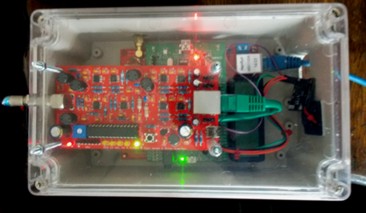
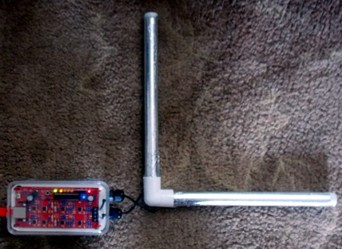
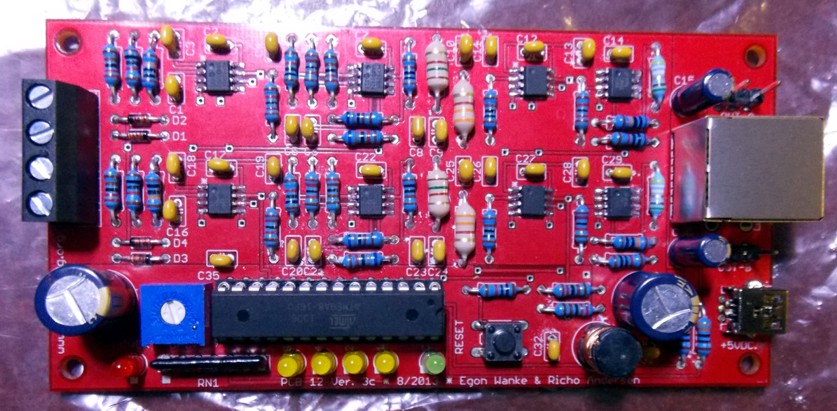
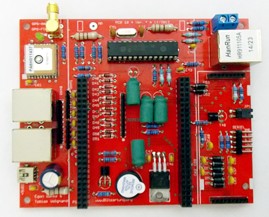
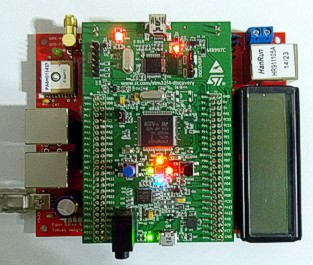
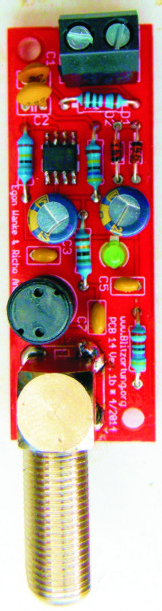
Ferrite rod antenna
E-field Amplifier + Controller PCB
/ STM32F4 DISCOVERY +
AS3935 Franklin Lightning Sensor
Mounted in one Box
H-field
Amplifier
Mounted
in one Box
E-Field
Antenna
H-field Amplifier pcb
E-Pre
Amplifier PCB
Controller PCB
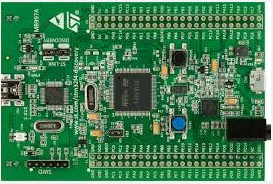
STM32F4 DISCOVERY
Controller PCB Plugged in to
STM32F4 DISCOVERY
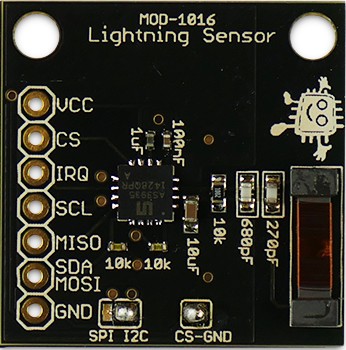
AS3935 pcb Lightning
Sensor Connected to the
STM32F4 DISCOVERY Board
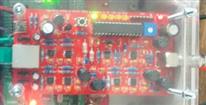
E-field Amplifier

please refresh the page for the latest data
"Blitzortung.org" this is a community of station operators who transmit their data to the central server ,Lightning Detected on the network 03/05/15